
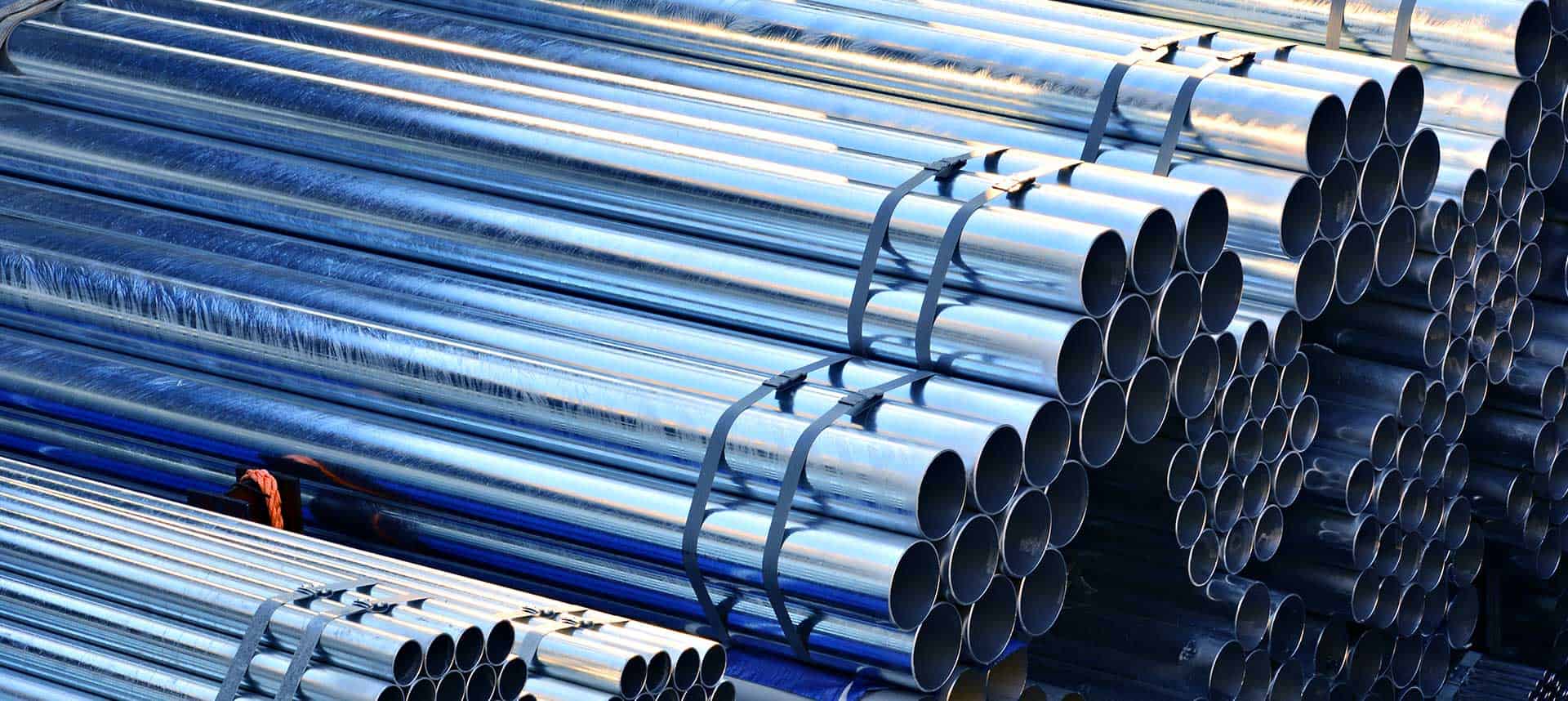
Behind every successful piping project, strict quality checks help confirm that materials meet required standards. ADNOC inspectors review several details during audits to verify safety, reliability, and compliance. They examine documents, material records, testing reports, and supplier practices before approving materials for use. Audit teams also review records from a piping material supplier for ADNOC projects to confirm product quality and delivery standards.
Material certificates and records:
Inspectors first check material certificates to confirm the origin and specifications of piping products. They review details such as grade, size, chemical composition, and test results. Accurate paperwork helps inspectors match supplied materials with approved project requirements. Missing or incorrect certificates can create delays during approval stages. Suppliers must keep organized records that allow inspectors to verify every detail quickly. Clear documentation shows that materials have passed required checks before reaching the project site.
Quality testing and inspection reports:
Testing records receive close review during an ADNOC piping material audit. Inspectors look for reports covering mechanical tests, pressure checks, and other required evaluations. These reports provide proof that pipes and related components can perform under demanding operating conditions. Inspectors also check if testing was completed by approved facilities. Reliable testing results give confidence that materials meet industry standards and project specifications.
Storage and handling practices:
Material storage areas are another focus during inspections. ADNOC inspectors examine how pipes, fittings, and other components are stored before installation. Poor storage conditions can cause damage, rust, or contamination. Suppliers must follow proper methods for protecting materials from moisture, dirt, and physical impact. Good storage practices help maintain product quality from delivery until final installation.
Supplier approval and traceability:
Traceability is a major part of the audit process. Inspectors want to know where materials came from and how each item can be tracked through supply records. A clear tracking system helps identify production details, inspection history, and delivery information. Approved suppliers maintain strong systems that support full material traceability. This approach helps project teams manage risks and maintain consistent quality.
Compliance with project standards:
ADNOC inspectors compare supplied materials with project specifications and industry requirements. They review whether suppliers follow approved procedures and provide products that match technical expectations. Small differences in material details can affect project performance. Suppliers must stay updated with required standards and maintain accurate quality systems.