
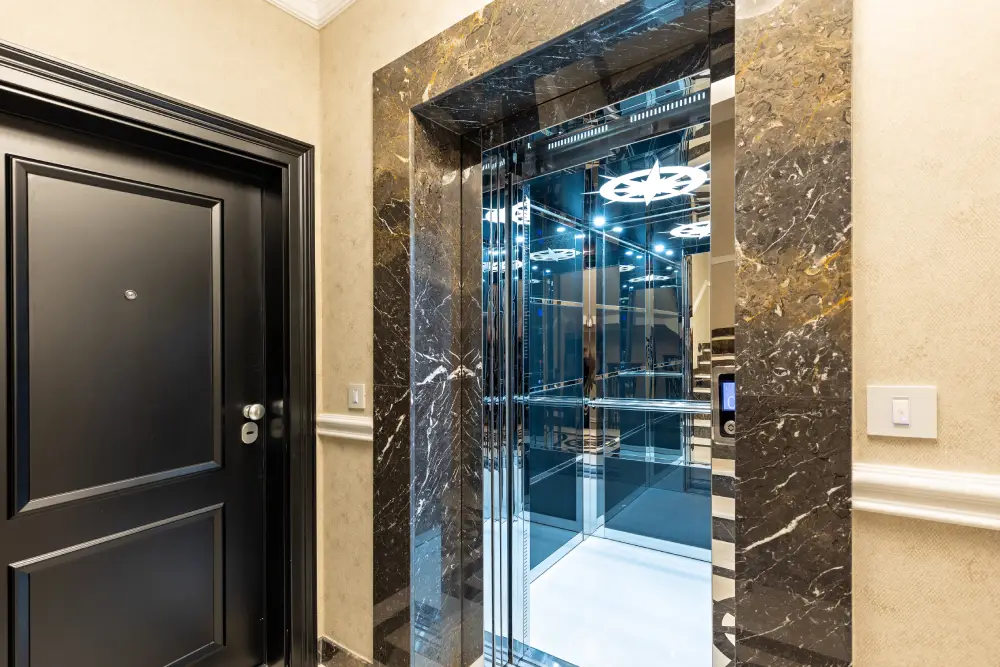
A residential lift involves several expenses beyond the machine itself. Homeowners may pay for the lift system, structural preparation, electrical work, doors, controls, safety equipment, and future servicing. Knowing these costs makes budgeting easier and helps buyers understand what different quotes include. A well-chosen home elevator UAE adds convenience while supporting easier movement across multiple levels daily at home.
The main cost of a home elevator
The purchase price forms the largest part of the investment. Residential elevators come in several designs, including hydraulic, traction, vacuum, and compact machine-roomless models. Prices vary according to lifting capacity, travel height, cabin size, finishes, doors, controls, and safety features.
A basic model suits simple residential use, while a premium design with custom finishes adds considerably to the final bill. Homeowners should compare specifications alongside prices to understand what each package includes.
Installation adds to the total
Installation involves much more than placing an elevator inside the house. Technicians assess the available space, prepare the shaft or enclosure, install rails and machinery, connect electrical systems, and test every component. Some homes require structural modifications before installation begins.
Floor openings, reinforced supports, wall adjustments, or dedicated electrical work can raise the overall expense. A site inspection gives homeowners a clearer estimate before construction starts.
Features influence what you receive
Higher-priced elevators usually offer broader cabin options, smoother controls, quieter operation, upgraded finishes, automatic doors, emergency lowering systems, battery backup, and advanced safety controls.
These features affect comfort and daily usability. Glass cabins, premium flooring, custom lighting, stainless steel details, and personalized control panels also add to the purchase price. Comparing these features helps homeowners select equipment that matches their household requirements and budget.
Maintenance and running expenses
The initial payment represents only part of elevator ownership. Routine servicing helps technicians inspect cables, controls, sensors, doors, brakes, and electrical components. Electricity consumption also adds a small recurring expense, although modern residential elevators usually operate efficiently.
Replacement parts can produce occasional costs as equipment ages. A service agreement can provide scheduled inspections and predictable maintenance charges, which helps homeowners manage long term ownership expenses.
When the investment makes sense
A home elevator offers practical value for households with multiple floors, older residents, mobility concerns, or plans for long-term residence. It also makes it easier to move household items between levels.
The best choice comes from matching elevator capacity, design, safety systems, installation requirements, and ongoing service costs with the home’s specific layout and household priorities.