
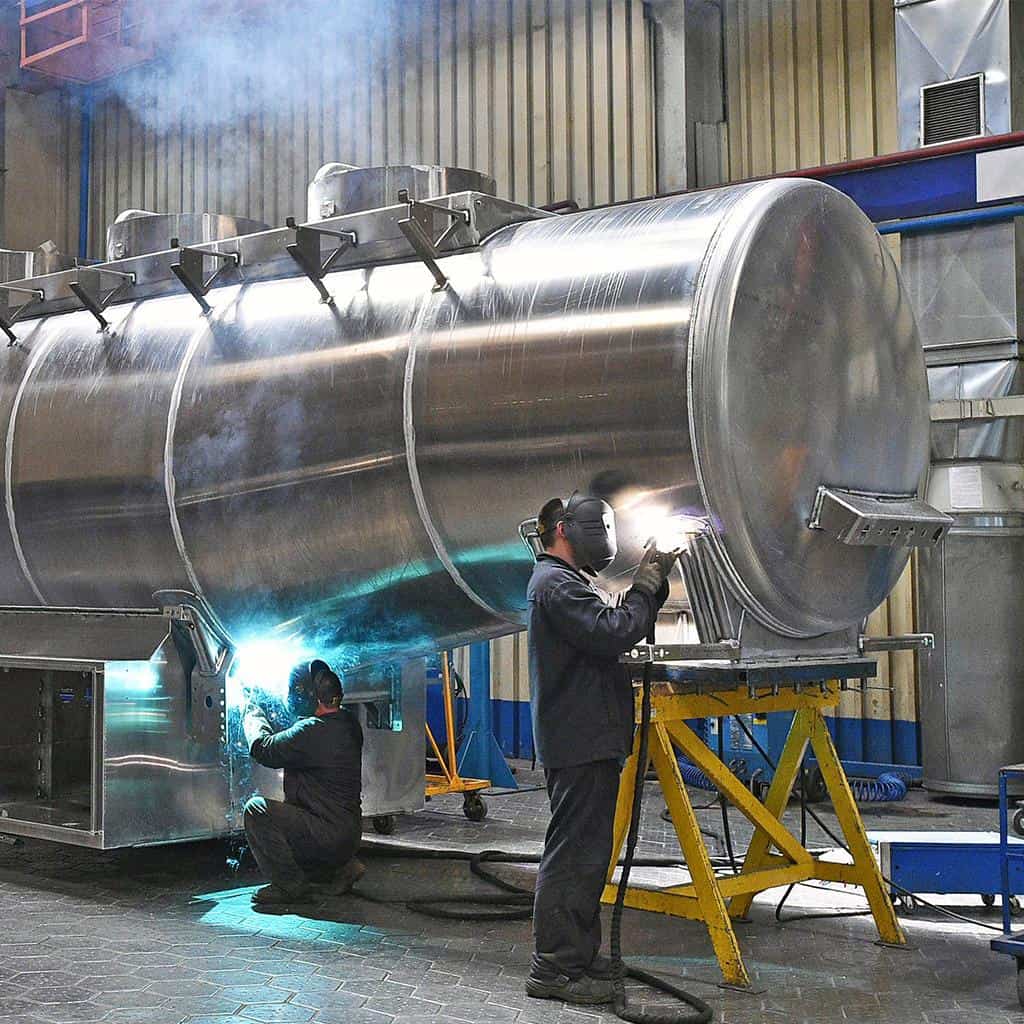
Automation has changed the way metal products are created across different industries. Companies now rely on advanced equipment to improve accuracy, reduce waste, and complete projects in less time. These modern systems support consistent quality while helping manufacturers meet growing production demands.
As technology continues to develop, businesses are finding practical ways to improve every stage of steel fabrication Saudi Arabia.
Planning with digital design:
Modern fabrication begins long before any metal is cut. Computer based design software allows engineers to create detailed models that identify possible issues before production starts. Every measurement can be checked in advance, reducing mistakes and saving valuable materials. Digital planning also makes communication easier between designers, fabricators, and project managers. Everyone works from the same design, leading to smoother production and fewer delays.
Robotic cutting and welding:
Robotic systems have become an important part of automated production. They perform cutting, welding, and assembly with excellent precision while maintaining consistent quality from one piece to the next. These machines can work for extended periods with very little interruption. This allows manufacturers to increase output while maintaining high standards across every project.
Advanced CNC machinery:
Computer Numerical Control machines continue to improve with faster processing and greater accuracy. Modern CNC equipment produces detailed cuts and complex shapes that would be difficult to achieve by hand. Automated programming also reduces setup time, allowing manufacturers to move quickly between different production jobs without sacrificing quality.
Smart sensors for quality control:
Sensors now monitor different stages of production in real time. They measure dimensions, temperature, alignment, and machine performance as work continues. If any issue appears, the system alerts operators immediately so adjustments can be made before defects spread across an entire production run. This saves both time and materials.
Automated material handling:
Moving heavy steel safely has always been an important part of manufacturing. Automated cranes, conveyors, and robotic handling systems now complete these tasks with greater efficiency. These systems reduce manual lifting, improve workplace safety, and keep materials flowing smoothly between production stations. Faster movement also helps maintain steady production schedules.
Artificial intelligence in production:
Artificial intelligence is beginning to play a larger role in manufacturing decisions. Smart software studies production data, predicts maintenance needs, and recommends process improvements. By analyzing machine performance and production patterns, manufacturers can reduce downtime and keep equipment operating at peak efficiency.